Bukit Bintang's Transformation: From Shopping Belt to Residential Hotspot
Bukit Bintang has spent the past decade transforming from a purely commercial and tourism-driven shopping belt into a genuine residential address — a shift that's reshaping both who buys there and what they're buying for.
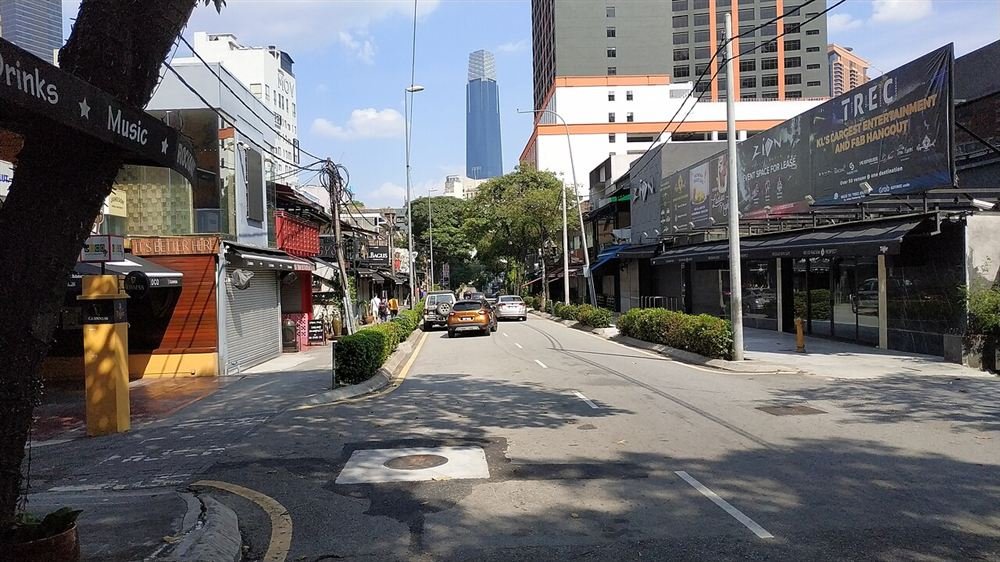
From Shopping Belt To Mixed-Use Address
For most of its modern history, Bukit Bintang's identity was built almost entirely around retail and hospitality — Pavilion KL, Fahrenheit88, Berjaya Times Square and a dense concentration of hotels defined the district far more than residential living did. That's changed meaningfully as new mixed-use developments have deliberately integrated residential towers directly above or adjacent to retail podiums.
This shift hasn't happened by accident — developers have recognised that Bukit Bintang's existing retail and transit infrastructure is a genuine residential amenity, not just a commercial draw, and newer projects are increasingly designed with residents' daily convenience in mind rather than purely as tourist-facing retail destinations.
What's Driving Residential Demand Here
The district's transit connectivity is a major factor — Bukit Bintang sits at the intersection of the monorail and MRT lines, giving residents genuinely fast access across the wider KL area without needing a car, which is an increasingly valuable proposition for younger professionals and downsizing empty-nesters alike.
The other draw is simple convenience density: living in Bukit Bintang means genuine walkability to dining, entertainment, healthcare and daily errands in a way few other KL districts can match, given the sheer concentration of amenities built up over decades of commercial development.
Who's Buying — And Why
We're seeing a mix of younger local professionals prioritising lifestyle convenience over space, investors targeting the district's strong short-term and medium-term rental demand from both tourists and corporate visitors, and a growing number of foreign buyers drawn to the combination of an internationally recognisable address and genuine day-to-day livability.
For investors specifically, Bukit Bintang's dual demand base — tourism-linked short-stay demand alongside genuine long-term residential demand — gives it a rental flexibility that more purely residential districts don't offer, though it's worth confirming a specific building's strata rules around short-term rental before assuming that flexibility applies unit-by-unit.
Bukit Bintang's evolution from shopping belt to residential hotspot isn't finished — it's ongoing, and it's being driven by genuine infrastructure and lifestyle advantages rather than pure marketing. For buyers who value walkability and connectivity above almost everything else, it's increasingly hard to beat.
See which new launches meet the foreigner minimum, or ask us about a specific project.