Can ParkCity Damansara Become Desa ParkCity 2.0?
Perdana ParkCity built its reputation on Desa ParkCity — a master-planned township in Kuala Lumpur that turned a former mining outskirt into one of the city's most sought-after addresses, commanding some of the highest per-square-foot values outside the traditional prime belt. With ParkCity Damansara now taking shape on a new landbank in the Klang Valley, the obvious question for investors is whether the developer can repeat that formula, or whether Desa ParkCity's success was a product of timing that's hard to copy twice.
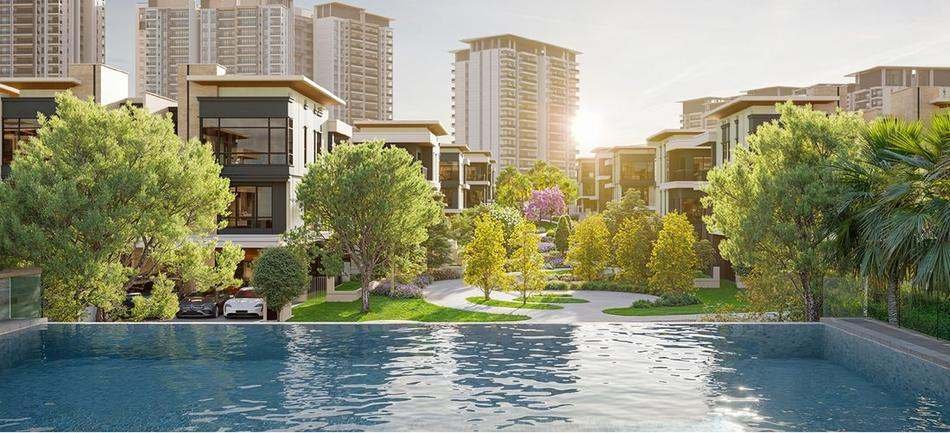
What Made Desa ParkCity Work
Desa ParkCity's appeal was never just about the address — it was integrated low-density planning: parks and a central lake, schools within the township, pet-friendly public spaces, retail woven into residential clusters, and a gated-guarded environment maintained consistently across more than a decade of phased launches.
That consistency compounded over time. Because a single developer controlled the entire masterplan from first phase to last, quality didn't dilute as later phases launched, and resale liquidity stayed strong because buyers trusted the brand — early-phase units went on to appreciate multiple times over as the township matured and amenities filled in.
Where ParkCity Damansara Fits In
ParkCity Damansara sits on a newer landbank along the Damansara corridor, with highway connectivity via routes like the LDP and Penchala Link and proximity to already-established neighbourhoods. The masterplan follows a similar low-density mix of landed homes and condominiums with parks and retail woven in, echoing the Desa ParkCity playbook on paper.
Early-phase pricing here typically sits well below what mature Desa ParkCity units now command, which is exactly the appeal for buyers chasing the same developer pedigree without paying a mature-market premium. The trade-off is the usual early-phase risk: amenities, retail anchors and the sense of an established community all take years to materialise, and buying in now means betting on that build-out happening on schedule.
What Would Need to Go Right
Consistent execution across every phase is the biggest variable — Desa ParkCity's value was built on the developer delivering, phase after phase, without the quality or amenity provision tapering off. Delivering the retail and lifestyle anchors early rather than as an afterthought matters just as much, since that's what actually pulls in the walkability and community feel buyers are paying a premium for.
The other variable is competition. Desa ParkCity largely had the low-density-township-in-KL lane to itself for years. ParkCity Damansara launches into a more crowded field of competing new townships nearby, any of which could dilute the sense of exclusivity that made the original project's resale values so resilient.
The Desa ParkCity brand carries real weight, but ParkCity Damansara is still early in its build-out — the comparison today is more aspiration than proven fact. For buyers, the entry point is really a bet on the developer's execution track record, not a guarantee of repeating Desa ParkCity's trajectory.
See which new launches meet the foreigner minimum, or ask us about a specific project.